
Identity theft in connection with Riverty or Klarna
The ECC is seeing an increasing number of cases where victims receive unexpected demands for payment from retail companies even though they have not ordered anything from them. The masterminds behind these schemes are criminals who place orders to third-party addresses using ‘pay on account’ methods.
Facts of the case
- You have unexpectedly received a parcel addressed to you, but you never ordered the goods inside.
- Or you have received an invoice from, for example, Riverty or Klarna, the payment services on shopping platforms such as Amazon and countless web shops, for something you never ordered.
- Or you have received a debt collection notice or even a letter from a solicitor. For an order you never placed, for which you never received an invoice or reminders.
How it happens
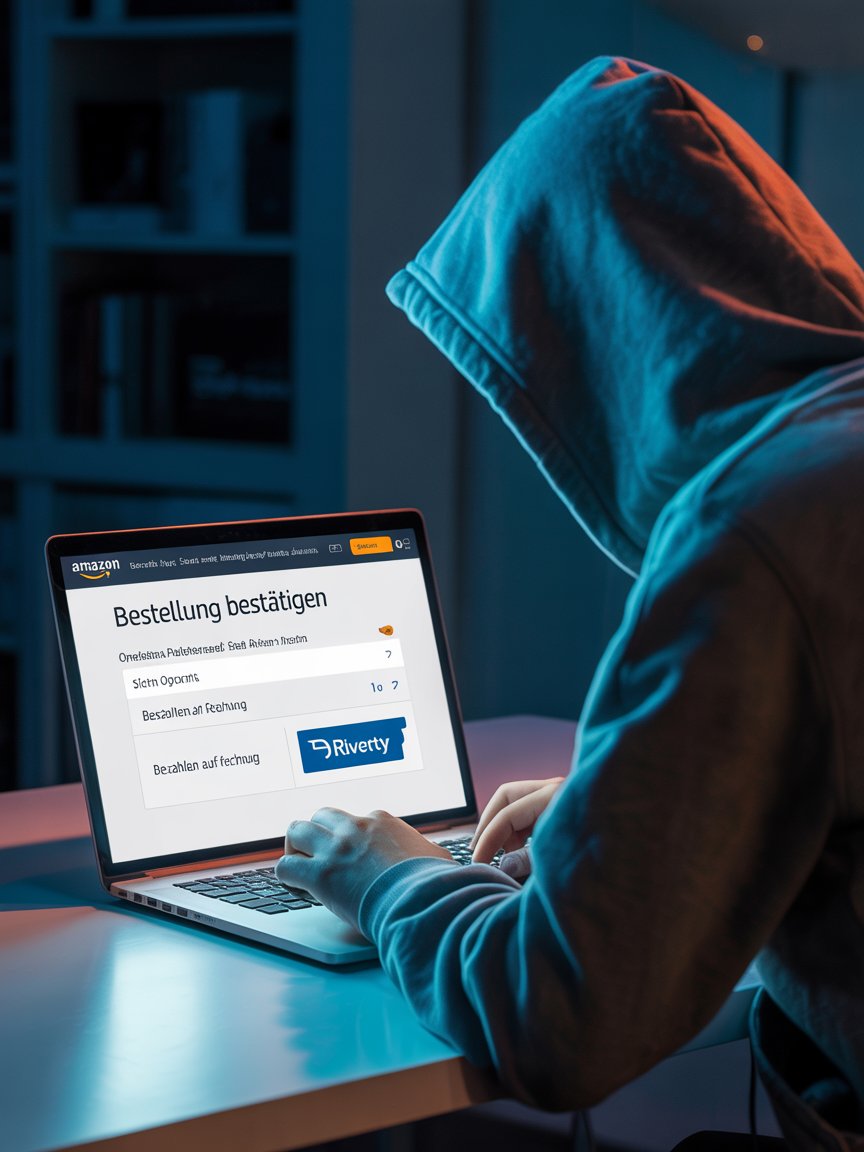
This could be identity theft. Criminals have obtained your postal address and created a new email address in your name. They use this email address to order a laptop, mobile phone or other goods that are easy to resell from Amazon or an electronics retailer's online shop, for example. When placing the order, the criminals select ‘pay on account’ as the payment method. The retailer emails the invoice to the email address created by the criminals. The invoice is ignored.
Deliveries are made to your actual postal address. The fraudsters know the delivery date and try to meet the courier when they arrive. They pretend to be you or, for example, a relative or neighbour, and take the parcel from the courier. Alternatively, they have it delivered to a collection point or redirected to an alternative postal address. For more valuable orders, the retailer often emails a password to the courier for collection. This security measure is rendered useless because the password was sent to the criminals' email address. Only if the thieves fail to intercept the courier will the package arrive at your doorstep, leaving you wondering where it came from.
You will not receive any order confirmations or initial reminders because of this method. Normally, you will only find out about the matter when the retailer automatically engages the payment service (e.g. Riverty or Klarna), the debt collection agency or a solicitor to collect the amount.
What to do?
Do not pay! You don't owe anything. Don't panic, just follow these steps:
- Contact Amazon or the retailer immediately in writing and explain the situation!
- Send a copy of the letter to the payment service, debt collection agency or solicitor involved who is demanding payment.
- In the letter, demand that the unjustified invoice be written off and set a deadline. Use the following sample letter for this purpose:
- If an affidavit is required, use this template:
- In most cases, you will be required to report the identity theft to the police. Amazon or the retailer will require confirmation of the report. If you comply, experience shows that retailers will cancel the order more quickly and stop demanding payment from you. However, you are not obliged to report the theft.
- If you have received goods, do not keep them or throw them away. According to Section 864(2) of the Austrian Civil Code (ABGB), you are actually allowed to keep goods that have been sent to you unsolicited. However, this does not apply in this case, as it is clearly a case of misdelivery! You can either offer to return the goods to the retailer at their expense or to keep them until they are collected. You are not obliged to pay the postage for a return shipment.
Share this post


Teaser-Image: ECC Austria (AI-generated image)